

 See My Latest Article on HelloNation
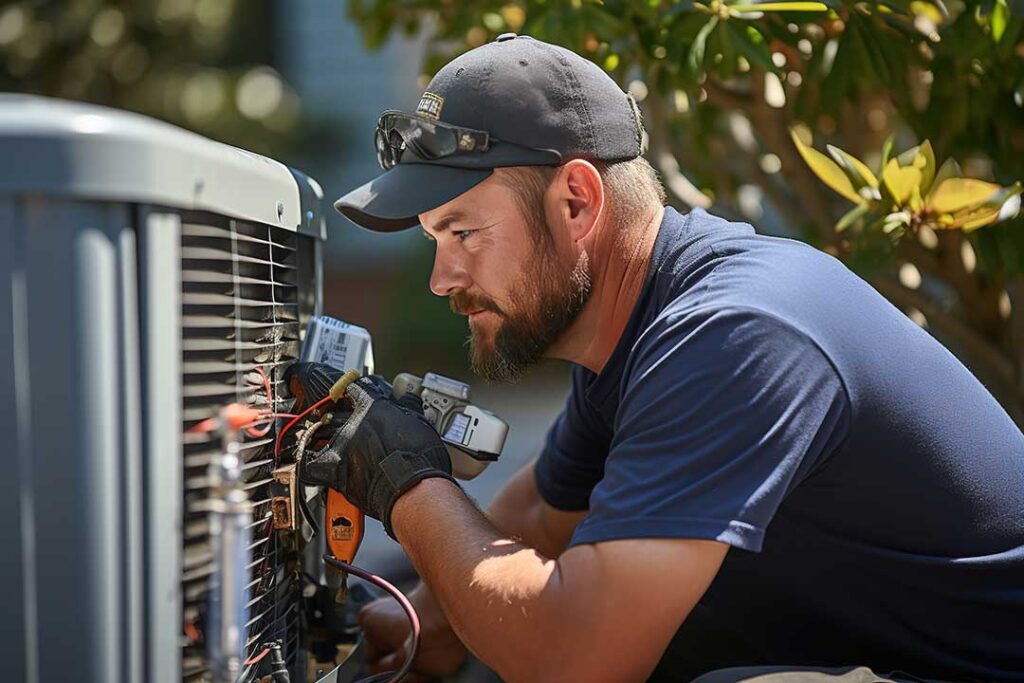
Heat pumps are heating and cooling systems that move heat rather than create it by burning fuel. In winter, a heat pump draws available heat from outdoor air and transfers it indoors. In summer, it reverses direction to remove heat from the home.
For households in Ticonderoga, NY, this technology can provide year-round temperature control, although cold-weather performance, insulation, backup heat, and equipment sizing all matter.
What exactly is a heat pump?
A heat pump is a mechanical system that transfers heat from one location to another. It uses a refrigeration cycle, similar to the one found in a refrigerator, but it can operate in either direction.
A typical air-source heat pump includes:
- An outdoor unit with a coil, fan, compressor, and controls
- An indoor coil or air handler
- Refrigerant lines connecting the indoor and outdoor sections
- A thermostat or control system
- An indoor blower that circulates conditioned air
Heat is present even in cold outdoor air. As temperatures drop, the amount of available heat decreases, and the system must work harder to extract it. Modern cold-climate heat pumps are designed to operate at low temperatures, but their capacity and efficiency vary by model and installation.
How does a heat pump heat a home?
In heating mode, the outdoor coil absorbs heat from the air outside. The refrigerant inside the coil carries that heat into the system, where a compressor raises its temperature. The warmer refrigerant then moves through the indoor coil, releasing heat into the home.
The basic sequence is:
1. The outdoor coil absorbs heat from outdoor air.
2. Refrigerant carries that heat through the system.
3. The compressor increases the refrigerant’s pressure and temperature.
4. The indoor coil releases heat into the living space.
5. The refrigerant returns outdoors to repeat the cycle.
This process does not require combustion. A heat pump uses electricity to operate the compressor, fans, and controls, but it does not burn oil, propane, natural gas, or wood to produce heat.
How does it cool a home in summer?
A heat pump cools a home by reversing the direction of refrigerant flow. The indoor coil absorbs heat from the air inside the house, and the outdoor unit releases that heat outdoors.
The system also removes some moisture as warm indoor air passes over the cold indoor coil. In humid weather, this can make the home feel more comfortable even when the thermostat setting has not changed.
Because the same equipment can heat and cool, a heat pump may replace separate heating and cooling systems in some homes. In other houses, it works alongside an existing furnace or another heat source.
Can a heat pump work during a Ticonderoga winter?
Yes, but the answer depends on the equipment and the home. Cold-climate heat pumps can continue operating during below-freezing weather, but no heat pump produces exactly the same amount of heat at every outdoor temperature.
Performance is affected by:
- The system’s low-temperature operating range
- The size and insulation level of the house
- Air leakage around doors, windows, and penetrations
- Duct condition and airflow
- Outdoor temperature and wind
- Whether the outdoor coil is blocked by snow or ice
- The availability of supplemental or backup heat
During very cold weather, a heat pump may run for long periods. That is not automatically a problem. Heat pumps are designed to maintain indoor temperature through steady operation rather than short, high-temperature heating cycles.
Some systems include electric resistance backup heat. Others are installed with a furnace in a dual-fuel arrangement. Backup heat can assist when outdoor temperatures are especially low or when the heat pump cannot meet the home’s heating demand by itself.
Why does a heat pump sometimes blow cool air in winter?
A heat pump may deliver air that feels cooler than the air from a furnace, even while it is heating the room. Furnaces typically produce very hot air for shorter periods. Heat pumps usually provide a larger volume of moderately warm air for longer periods.
A heat pump may also temporarily enter a defrost cycle. Frost can collect on the outdoor coil during cold, damp conditions. To remove it, the system briefly reverses operation and sends heat to the outdoor coil. Indoor backup heat may operate during this period so occupants do not feel a strong burst of cold air.
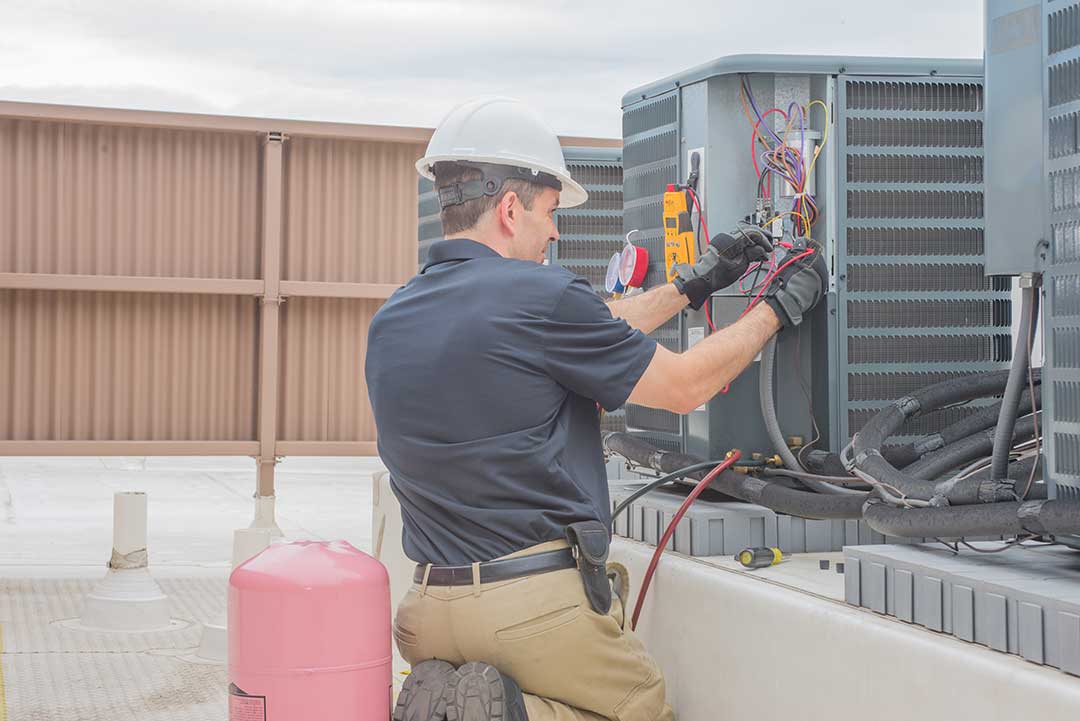
A short defrost cycle is normal. However, heavy ice that remains on the outdoor unit, repeated shutdowns, unusual noises, or a noticeable loss of indoor temperature may indicate an airflow, drainage, control, or refrigerant problem.
What is the difference between a ducted and ductless heat pump?
A ducted heat pump uses an air handler and existing or newly installed ductwork to distribute heated and cooled air throughout the home. It can be practical for houses with usable central duct systems.
A ductless heat pump, often called a mini-split, uses one or more indoor wall- or ceiling-mounted units connected to an outdoor compressor. It does not require full-home ductwork and can be useful for additions, older homes, converted spaces, or rooms that are difficult to condition through existing ducts.
Ductless systems can create separate temperature zones, but each indoor unit must be placed where air can circulate effectively. Closed doors, stairwells, and room layouts can limit how well one unit serves several spaces.
Are heat pumps efficient?
Heat pumps can move more heat energy than the amount of electricity they consume because they transfer existing heat instead of generating all heat directly. Efficiency changes with outdoor temperature, indoor temperature settings, equipment condition, and installation quality.
A heat pump’s performance is also influenced by the home itself. Air sealing, insulation, ductwork, windows, and thermostat settings may affect comfort as much as the equipment’s rated efficiency.
For a home with significant drafts or uneven insulation, the heat pump may run continuously while struggling to maintain comfortable temperatures. Improving the building envelope can reduce the heating load and help the system operate more effectively.
What maintenance does a heat pump need?
Basic maintenance helps preserve airflow and reliable operation. Homeowners can usually:
- Check or replace indoor air filters as recommended
- Keep furniture and curtains away from indoor registers
- Remove leaves and debris near the outdoor unit
- Keep snow from blocking the outdoor coil
- Avoid piling items against the outdoor unit
- Watch for unusual ice buildup, water leaks, or changes in performance
The outdoor unit needs open airflow on all sides. Snow should not be shoveled directly against the coil, and falling snow from roofs should not be allowed to bury the equipment.
Refrigerant work, electrical repairs, sealed-system repairs, and safety-related problems require qualified service because they involve specialized tools, pressurized components, and electrical hazards.
Are heat pumps suitable for every home?
No single heating system is ideal for every building. A heat pump may be a good fit where the electrical service, distribution system, insulation, outdoor space, and heating requirements support it. Homes with limited electrical capacity, severe heat loss, poorly designed ductwork, or difficult zoning may require additional planning.
The most useful evaluation considers the whole house rather than focusing only on the equipment label. A properly sized system should account for winter heat loss, summer cooling demand, room-by-room comfort, backup heat, and the home’s existing infrastructure.
Understanding those factors helps residents distinguish normal heat pump behavior—such as long winter run times or brief defrost cycles—from conditions that deserve further investigation.