

 See My Latest Article on HelloNation

Why Is the Air Conditioner Not Cooling?
If your air conditioning system is running but your home still feels warm, several typical issues might be responsible. Factors range from simple user errors to problems requiring technical diagnosis. In Ticonderoga, NY, where summer humidity can be high, many local residents experience these issues when temperatures climb.
Did You Check the Thermostat and Power Settings?
Start by making sure your thermostat is set to “cool” mode and the temperature is below room level. Accidents like bumped controls or dead batteries occur in every household, especially as families change HVAC settings between seasons.
If your air conditioner won’t turn on at all:
- Confirm the unit and any breakers or disconnect switches have power.
- In older homes or apartments common in the city, fuses may blow—check electrical panels.
- Remember that programmable thermostats may have batteries.
Could It Be a Dirty Air Filter?
A clogged air filter is extremely common, particularly after pollen-heavy North Country springs. If your filter is severely blocked, airflow drops and your AC can barely push air into ducts.
To check:
- Look for the filter behind a grille or in the furnace compartment.
- Hold it up to a light—if you can’t see through, replace it.
Ticonderoga households with pets or nearby construction should check filters monthly during heavy use. Regular changes help both cooling and indoor air quality.
Are Windows, Doors, or Ducts Allowing Air Leakage?
Air leaks can undermine even well-functioning AC systems. In historic homes and older rental units seen throughout the community, weatherstripping may shrink or come loose with age.
Practical signs of leaks:
- Hot spots near windows, doors, or attic hatches.
- Ducts in uninsulated attics or crawl spaces feeling warm to the touch.
Small gaps or cracks can often be sealed with caulk or weatherstripping. Periodically inspect and repair as needed, especially after winter freezing and thaw cycles.
Is the Outdoor Unit Blocked or Dirty?
The outdoor condenser releases the heat removed from your home. If this unit is buried in weeds, leaf litter, or cottonwood fluff late in spring, efficiency plummets.
Visually check:
- Clear at least two feet around the unit.
- Remove grass, leaves, branches, or accumulated debris.
- Gently rinse coils with a hose, aiming water sideways.
Avoid bending fins or using high pressure. Never open panels or attempt repairs with the power on—these steps require specific knowledge and proper caution.
What About the Indoor Vents and Coil?
Sometimes cold air isn’t circulating because furniture or curtains block wall or floor registers. Walk through your space and ensure vents are fully open and unobstructed.
If you notice ice buildup on outdoor or indoor coils—even in muggy weather—this signals a deeper airflow or refrigerant issue. Shut off the AC and allow it to thaw. Consistent ice may indicate a refrigerant problem, which by law requires EPA-certified handling.
Could the Issue Be With Refrigerant Level or a Leak?
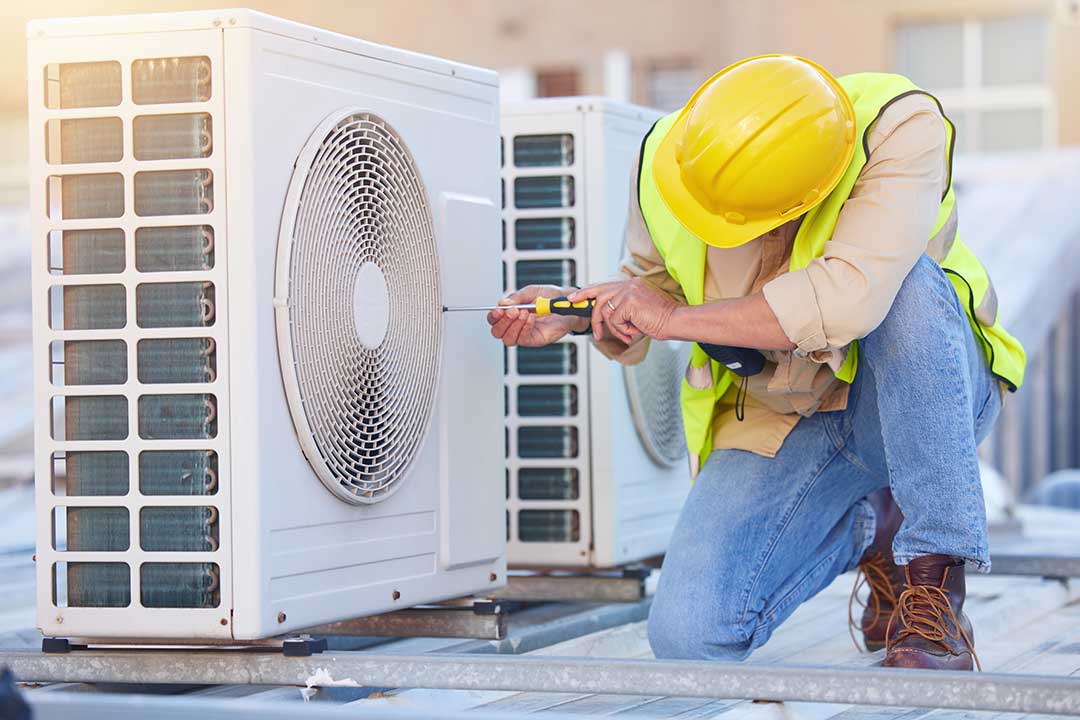
Low refrigerant is not a common do-it-yourself fix. A properly installed system should not “run out” of refrigerant unless it has a leak. In Ticonderoga, older units or systems damaged during winter may develop such leaks, especially if outdoor components are not protected from snow and ice.
Signs include:
- Hissing or bubbling noises from the AC unit.
- Ice on refrigerant lines.
- Poor cooling with the system running continuously.
Because these repairs involve pressurized chemicals, handling leaks is not recommended for most homeowners.
Are There Electrical Issues or Tripped Breakers?
Older homes and multi-unit properties in the community may have aging or undersized electrical systems. A tripped breaker or blown fuse is a frequent cause of sudden AC shutoff.
If resetting a breaker causes it to trip again, leave it off. This could mean a more serious electrical issue or a failing compressor. Repetitive resetting increases fire risk and may damage your equipment.
How Humidity Affects Cooling
Ticonderoga’s humid summers place extra strain on air conditioners. High moisture means homes feel much warmer, even if the AC is running. For residents drying laundry indoors or cooking often, ensure bathroom and kitchen fans are ventilating properly.
Using ceiling fans can make the air feel cooler, but won’t solve AC problems. If humidity levels remain high with the system running, the AC may be undersized or have a malfunction associated with the refrigerant or drainage lines.
What Maintenance Helps Prevent Cooling Problems?
Preventative steps go a long way for area households:
- Change air filters regularly—every 1-3 months during heavy use.
- Keep the area around the outdoor unit clear.
- Inspect for obvious leaks at ducts, windows, and doors.
- Listen for new noises from the AC system.
After a long, snowy winter or a stormy spring, a quick check of your unit outside can avoid midsummer surprises.
When Should Safety Take Priority?
If you encounter electrical shorts, visible sparking, strong burning odors, or signs of smoke, turn off your AC and main breaker immediately. Leave any investigation to professionals when personal safety is at risk or if refrigerant handling is involved, as required by environmental regulations.