

 See My Latest Article on HelloNation
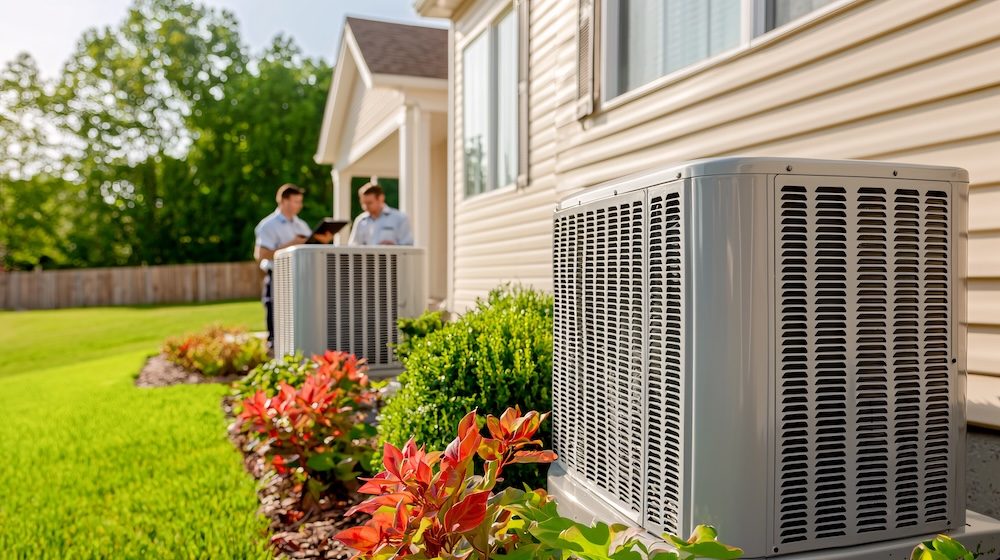
Why HVAC Size Matters in Ticonderoga, NY Homes
Choosing the correct HVAC size for your home is essential for comfort, efficiency, and long-term savings. Oversized or undersized systems can both cause problems—too large may cycle on and off too frequently, too small may never keep up during peak weather.
In Ticonderoga, with its cold winters and humid summers, a balanced system is crucial. Area homes often have unique insulation, layout, and age factors that affect heating and cooling needs, making a one-size-fits-all answer impossible.
What Factors Affect HVAC Size?
Several elements play a role, and local weather is only part of the equation. To get a reliable estimate, consider:
- Square footage of your home
- Number and size of windows and doors
- Insulation levels (attic, walls, foundation)
- Ceiling height and layout (open floor plans vs. many rooms)
- How much sunlight different rooms receive
- Occupancy patterns (how many people live in the home, how often rooms are used)
- Local climate conditions—consider winter lows often reaching below freezing, and summer days in the 80s or higher
Older homes in the community may have drafty windows or minimal insulation, which increases load requirements compared to newer construction. Seasonal habits, like frequently opening windows in spring or using wood stoves, can also influence needs.
How Are HVAC Systems Sized?
HVAC size is commonly measured in BTUs (British Thermal Units) for heating and cooling, or in tons for central air conditioning (one ton = 12,000 BTUs). The most reliable sizing method is a Manual J load calculation, which uses all the above factors—not just square footage—to determine needs.
Residents often hear rules of thumb, like "one ton for every 500 square feet," but these averages can mislead. For example, a well-insulated 1,500-square-foot home might need less capacity than a poorly sealed 1,000-square-foot cottage.
What Can Go Wrong With the Wrong Size?
Most people notice issues over time:
- An oversized unit will turn on and off frequently, never running long enough to dehumidify summer air properly. This can lead to a clammy feel indoors, higher electric bills, and faster equipment wear.
- An undersized system will run almost constantly in extreme weather, struggling to reach the temperature set on the thermostat. This may leave some rooms uncomfortable and wear out equipment faster.
Uneven heating or cooling, humidity problems, and high utility costs are common symptoms that a system isn’t properly matched to the home’s needs.
How Can Local Weather Patterns Impact Sizing?
Ticonderoga's location in the Adirondacks means temperature swings and humidity extremes. Winters are cold, with multi-day stretches well below freezing, and summer brings both heat and humidity.
Sizing calculations should:
- Account for insulation and air leaks that increase heat loss in winter
- Factor in high summer humidity that puts extra demand on air conditioning
- Consider prevailing wind direction and shaded vs. sunny yard exposures
A well-designed system in this region often needs robust heating capability and effective moisture control in addition to basic cooling.
Can You Estimate System Size Yourself?
Homeowners can get a general idea using online BTU calculators, but these rarely account for local housing quirks—like century-old stone foundations, attics with little insulation, or large sunrooms found in the area.
A rough calculation might look like:
- Measure square footage of the area served
- Multiply by a typical BTU-per-square-foot factor (often 20-25 for cooling, 30-60 for heating in cold climates)
- Adjust up or down for sun exposure, ceiling height, and draftiness
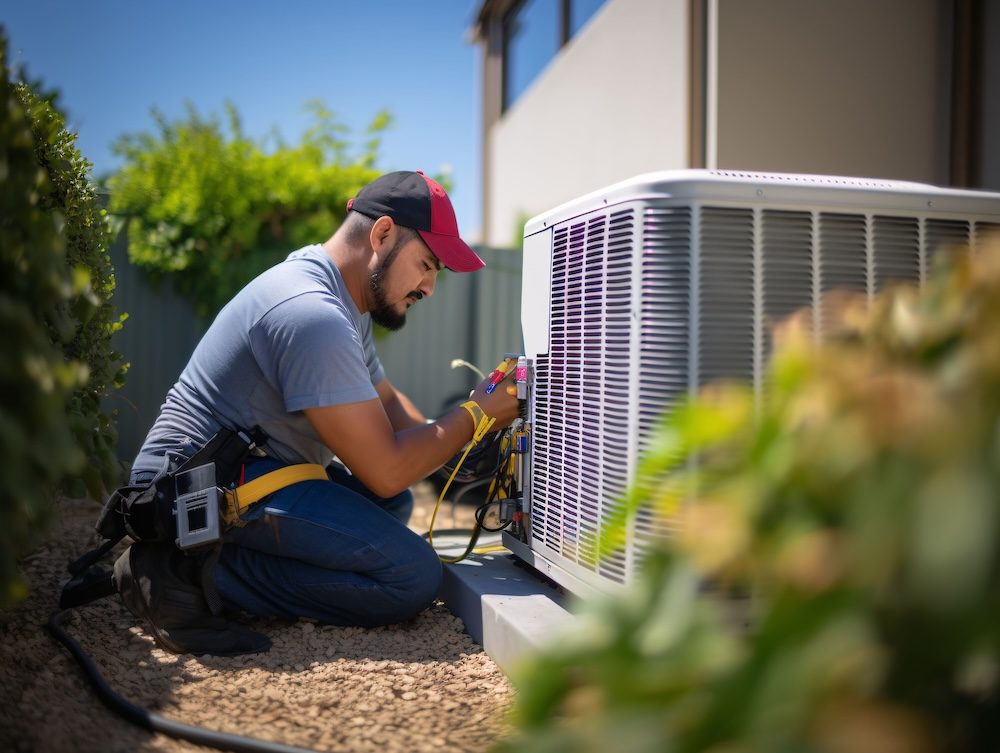
Example: For a 1,200-square-foot, average-insulated home:
- Air conditioner: 1,200 × 20 = 24,000 BTUs (about 2 tons)
- Heating: 1,200 × 40 = 48,000 BTUs
Still, this doesn't replace a full Manual J analysis and may result in oversizing or undersizing if unique local features are overlooked.
What About Replacing HVAC Equipment in an Older Home?
Residents of older homes often face mismatches in system size. Many houses have been added onto or renovated, sometimes without updating the HVAC. Adding insulation, replacing windows, or sealing drafts can change the system size requirements significantly.
If your home has been updated since the last installation, the optimal HVAC size may have changed. Those considering upgrades like insulation or window replacements should factor this into any sizing decisions.
Are Ductless or Zoned Systems Sized Differently?
Ductless mini-split systems or zoned HVAC setups are growing popular in area homes, especially where additions, guest spaces, or sunrooms create unique comfort needs. Each indoor unit is sized to the individual space served, accounting for window orientation, insulation, and wall construction.
Zoned systems require careful sizing to avoid ending up with hot or cold spots during periods of high use.
Common Misconceptions About Choosing HVAC Size
- "Bigger is better." Oversized systems can reduce comfort and efficiency.
- "All homes the same size need the same system." Home construction, insulation, and layout vary dramatically.
- "Old rules always apply." Renovations, improved windows, and higher insulation levels can reduce needs over time.
Understanding that newer technology and local building changes impact sizing can help avoid common mistakes.
When Should a Qualifying Professional Be Consulted?
While much of the process can be understood by homeowners, there are cases where professional input is needed—such as when considering major renovations, unusually complex homes, or if code compliance is a concern.
In areas with extreme weather or older construction common in Ticonderoga, a Manual J load calculation is often worth the investment to ensure comfort and efficiency.