

 See My Latest Article on HelloNation
Why Does Indoor Air Quality Matter in Ticonderoga, NY Homes?
Indoor air directly impacts comfort, health, and the performance of heating and cooling systems. In Ticonderoga, NY, long winters mean many residents keep windows closed for months and rely on fuel-burning appliances, which raises specific issues unique to this region. Local homes may contend with dust, wood smoke, pollen, or even moisture-related problems due to seasonal fluctuations.
Poor indoor air can contribute to allergies, asthma, headaches, fatigue, and lingering odors. Since much of daily life happens indoors during colder months, it’s practical to understand real ways to identify and solve these issues.
How Can Ticonderoga Households Reduce Sources of Indoor Pollution?
The simplest and most effective step is to limit pollutants at the source. In area homes, typical sources include wood stoves, oil or propane heating, tobacco smoke, cleaning supplies, and certain building materials.
Some strategies to minimize introduced pollutants:
- Store paints, solvents, and strong cleaning products in well-ventilated or detached spaces, never by living or sleeping areas
- Avoid burning candles or using incense in closed rooms
- If tobacco is used, avoid indoor use entirely; no air cleaning device can fully remove the effects
- When using wood stoves or fireplaces, burn only seasoned hardwood and inspect flues and chimneys for leaks or blockages
- Choose low-emission, unscented cleaners and personal care items
Does Opening Windows Improve Air Quality, Even in Winter?
Short answer: Yes, occasional ventilation helps, even during cold weather.
Opening a window for a few minutes daily, especially when cooking or showering, exchanges stale air and moisture for fresh outdoor air. This may mean a brief drop in indoor temperature, but the benefits to air refreshment and comfort outweigh the temporary chill—especially in tightly sealed homes heated with gas, oil, or wood.
Even 5–10 minutes of cross-ventilation (opening windows on opposite sides of the house at the same time) can make a noticeable difference in reducing household humidity, odors, and airborne pollutants.
What’s the Role of HVAC Systems and Filters?
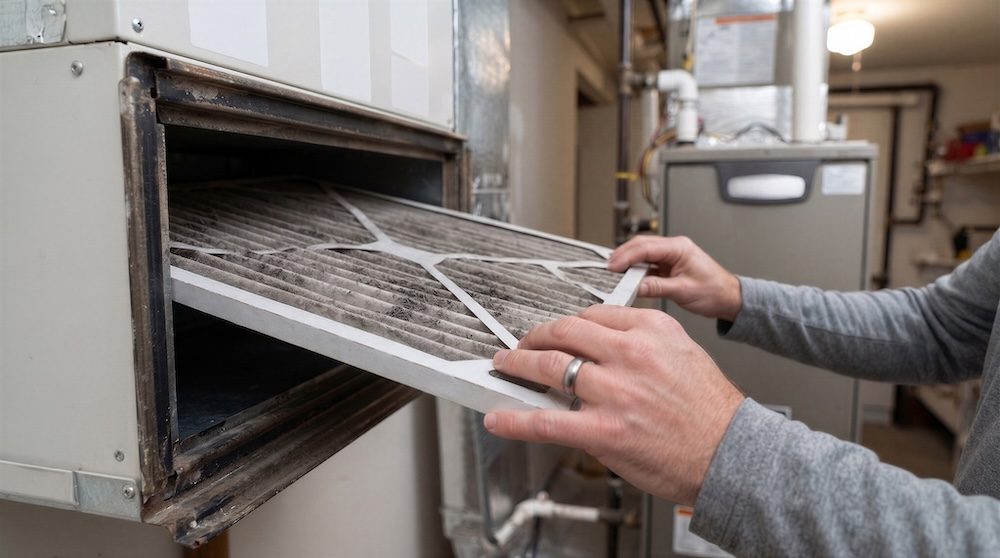
In Ticonderoga homes, forced-air heating systems are common. These systems circulate air throughout the house and, when maintained properly, can help with air filtering as well.
Key points:
- Change furnace or air handler filters at recommended intervals—usually every 1–3 months during heavy use
- Use filters with a MERV rating compatible with your equipment; higher MERV ratings capture smaller particles, but very high-efficiency filters can restrict airflow in some older systems
- Vacuum and dust near vents and returns to prevent recirculation of buildup
- Duct cleaning is rarely needed unless there is visible mold, debris after renovation, or evidence of animal intrusion
Misconception: Upgrading to a high-end filter will solve all air problems. Effective source control and regular maintenance do more for daily air quality than overspending on ultra-fine filters.
Are Portable or Whole-House Air Cleaners Beneficial?
Air purifiers can help, but they’re most useful for specific needs.
Portable HEPA air cleaners may be helpful for:
- Households with members sensitive to pollen, dust, or pet dander
- Rooms where an identified source of particulates remains (like wood stove rooms during cold snaps)
- Post-renovation, when there may be residual dust or fumes
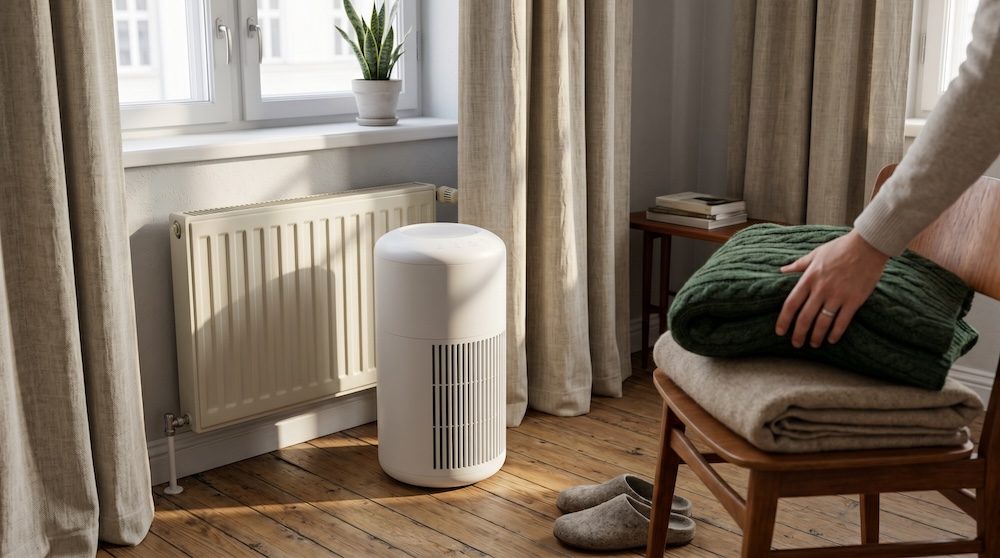
Whole-house units can sometimes be integrated into existing ductwork, but adding them is complex and may only be necessary for serious allergies or documented air-quality concerns.
Most importantly, air cleaners should be selected and sized for the real concerns in your home—such as fine particulates or allergens—rather than general marketing claims.
How Does Humidity Affect Indoor Air in the Community?
Managing humidity isn’t just about comfort—it's about preventing mold and maintaining building health, especially with weather swings seen in the area.
For most homes, indoor humidity is best between 30% and 50%. When air is too dry in winter, residents may notice static, dry skin, or sinus discomfort. Too much moisture can lead to mold on windowsills, in crawlspaces, or behind wallpapers.
Practical tips:
- Run kitchen and bathroom exhaust fans while cooking or bathing
- Use a dehumidifier in wet basements or crawlspaces
- Watch for condensation on windows or musty odors as early signs of excess moisture
Confusion sometimes arises about humidifiers: while small units may ease discomfort during cold snaps, overuse can tip the balance and invite mold growth. Check humidity levels with an inexpensive digital meter (hygrometer) from a hardware store.
What Local Habits or Conditions Can Impact Air Quality?
Ticonderoga homes are often older and sometimes less airtight, which naturally allows for some air exchange. However, many homes have been tightened up for energy efficiency, trapping more indoor air. Activities like frequent burning of wood for heat, use of attached garages, and seasonal maintenance projects impact what’s in the air.
Watch for:
- Running engines in attached garages, even briefly; carbon monoxide can quickly enter living areas
- Storing bulk firewood or mowing equipment indoors, which can introduce mildew, pollen, or fumes
- Seasonal increases in pollen or exterior mold spores (such as during spring thaw or fall leaf drop)
Being attentive to these patterns lets area residents take timely action, such as extra air exchange in spring or careful stove use during winter cold snaps.
How Do You Know If Indoor Air Is a Problem?
Short answer: Notice recurring symptoms or patterns and consider monitoring.
Common signs air quality isn’t ideal:
- Uncommon, persistent odors (musty, smoky, or chemical)
- Frequent headaches, sniffling, or eye irritation at home but not elsewhere
- Visible dust buildup, mold growth, or condensation
Simple monitors for carbon monoxide (mandatory), radon, or humidity provide real-time feedback. If symptoms are severe or improve when leaving home, these are signals to investigate further or, if needed, seek advice from public health resources.