

 See My Latest Article on HelloNation
What Are the Basics of Home HVAC Maintenance for Local Residents?
For most homeowners in Ticonderoga, NY, routine maintenance helps heating and cooling systems last longer and work more efficiently. Simple tasks like changing filters, clearing vents, and basic visual inspections can prevent common issues during the city’s cold winters and warm, humid summers. Understanding these basics provides peace of mind and supports comfort throughout the year.
How Often Should HVAC Filters Be Checked or Replaced?
Air filters need regular attention, especially in areas with pollen or pet dander. Generally, local residents should check filters every 1–3 months, more frequently during periods of heavy use or if the home has pets. Clean filters improve airflow, cut down on allergens, and help heating or cooling systems run more smoothly.
- To check a filter: Turn off the heating or cooling system, remove the filter, and hold it up to the light. If light doesn’t pass through easily, it’s time to replace it.
- Many homes in Ticonderoga use common-sized disposable filters. Write down the filter size before shopping for replacements to avoid confusion.
What Should Homeowners Watch For During a Visual System Inspection?
A quick monthly walk-around can catch small issues early. Look for:
- Dust or debris buildup on or around the heating and cooling units.
- Unusual noises, vibrations, or strong odors when the system starts.
- Signs of moisture or rust, especially near furnaces and around ductwork.
It’s normal for equipment in the city’s older homes to show wear, but leaks or heavy corrosion are red flags. Shut the system off and consider next steps if there’s pooled water or a burning smell.
Why Is Cleaning Around Outdoor Units Crucial?
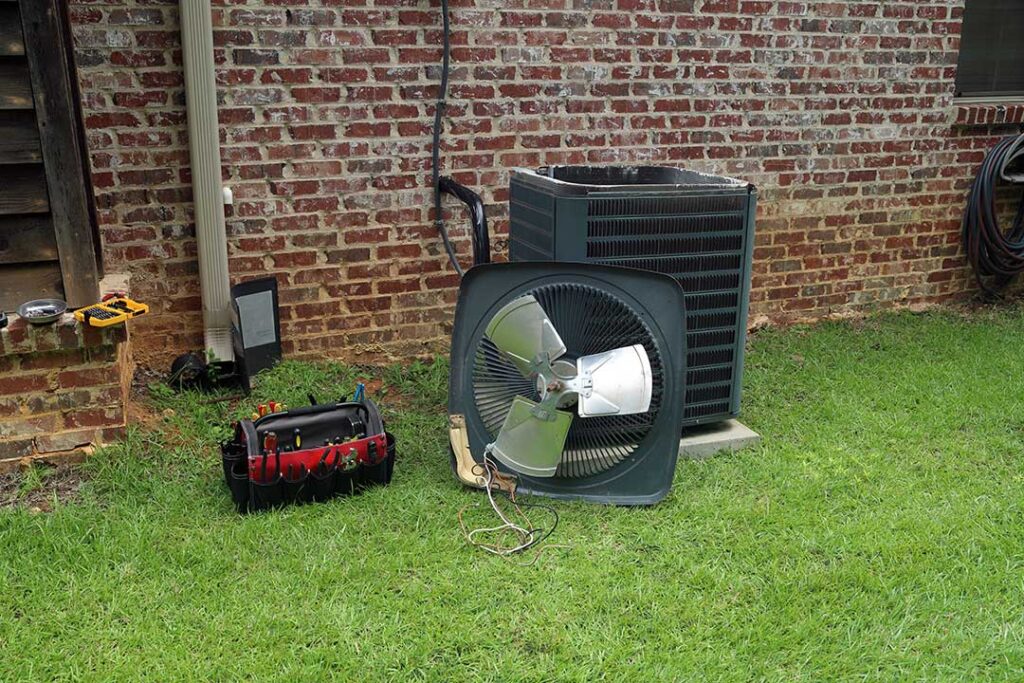
Outdoor air conditioning units in Ticonderoga often collect leaves, grass clippings, and even snowdrifts. Regularly clearing the area (about two feet around the unit) keeps air flowing and prevents overworking the system.
- Gently remove leaves, branches, and dirt from the top and sides.
- Avoid using high-pressure water; a simple garden hose on low pressure works best after the power is off.
- In winter, check units after every snowfall and gently brush away snow and ice buildup.
What’s the Right Way to Check Home Air Vents and Registers?
Blocked or dusty vents hinder airflow and comfort, especially in tightly built homes or those with radiators and forced-air systems.
- Every season, walk through the house to ensure all supply and return vents are unobstructed by furniture, drapes, or rugs.
- Wipe away dust or debris with a soft brush or vacuum attachment.
- Avoid closing too many vents in unused rooms; doing so can unbalance the system and reduce efficiency.
Should Homeowners Tackle Thermostat Maintenance?
Thermostats set the tone for comfortable living in the community’s variable climate. Test programmable models by adjusting the temperature and making sure the HVAC responds as expected.
- For battery-powered units, replace batteries yearly.
- Dust around the thermostat with a soft, dry cloth.
Sometimes thermostats become less accurate with age; if the system runs at odd times or never shuts off, replacement may be needed.
What Safety Steps Should Be Taken Before DIY Maintenance?
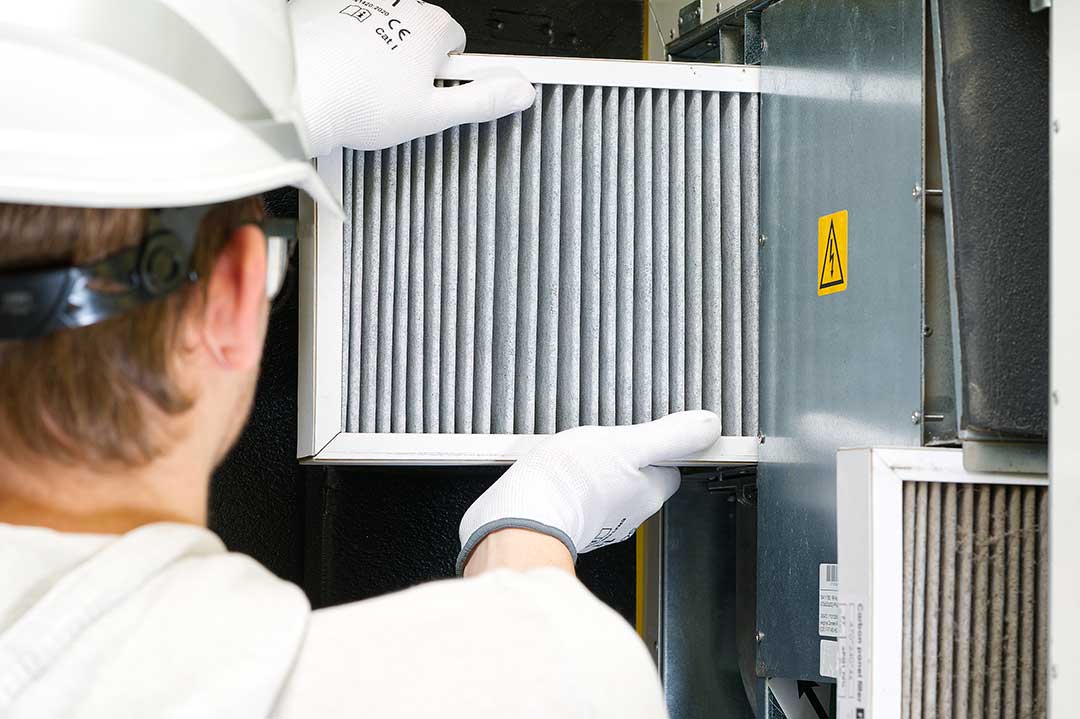
Always turn off power at the system’s switch or breaker before opening panels, replacing filters, or cleaning. Give motor, fan, and electrical areas time to cool off before touching parts. Everyone in the household should know where the main shutoff is and how to use it in case of emergency.
Are There Local Climate Factors That Affect HVAC Care?
Ticonderoga’s climate creates specific demands. Long, cold winters mean more furnace usage, leading to increased filter clogging and humidity-related issues. Heavy pollen in spring and leaf debris in autumn often clog AC condensers.
Area households may also need to:
- Add or empty condensate drain pans in humid months.
- Use dehumidifiers in basements or areas prone to dampness.
Routine checks after major storms or long cold snaps guard against damage from power surges or sudden freeze-thaw cycles.
What Common Missteps Can Be Avoided?
It’s tempting to delay seasonal checks when systems seem to work fine, but minor neglect accelerates wear and tear. Other mistakes include:
- Using the wrong filter size or type, which can restrict airflow.
- Over-tightening vent screws or access panels, leading to rattles and air leaks.
- Ignoring air leaks around windows and doors, which can make HVAC systems work harder and less efficiently.
When Should Tasks Be Left to Professionals?
While many maintenance tasks are safe for DIY care, don’t attempt repairs involving natural gas, high-voltage electrical work, or refrigerant handling—these require certification and carry serious safety risks.
If you notice:
- Persistent water leaks from AC units or furnaces
- A strong gas smell at any time
- Electrical sparking or repeated breaker trips
it’s best to consult certified assistance for those issues.