

 See My Latest Article on HelloNation
What Often Causes High Energy Bills for Residents in Ticonderoga, NY?
High energy bills can surprise many households, especially after seasonal changes or severe weather. Locally, several factors can increase home energy use beyond what is immediately obvious. Exploring these causes helps families pinpoint actions to take for lasting savings and comfort during both the cold Adirondack winters and warm, humid summers.
Could My Home’s Insulation or Air Sealing Be a Problem?
Yes, inadequate insulation and poor air sealing are among the leading causes of energy waste, particularly in homes built before modern energy codes. If walls, attics, or basements lack sufficient insulation, heat loss or gain forces heating and cooling systems to work harder.
- Drafts around windows, doors, floorboards, or electrical outlets are signs of air leaks.
- Snow melting unevenly on rooftops may indicate poor attic insulation.
- Older homes in the area often underperform in this regard compared to newer construction.
Adding insulation or thoroughly sealing common leak points can stabilize indoor temperatures and reduce the workload on HVAC systems year-round.
Are Heating and Cooling Systems Running Efficiently?
Systems that aren’t running properly will use more electricity or fuel. Residents sometimes overlook small issues, but these can accumulate over time.
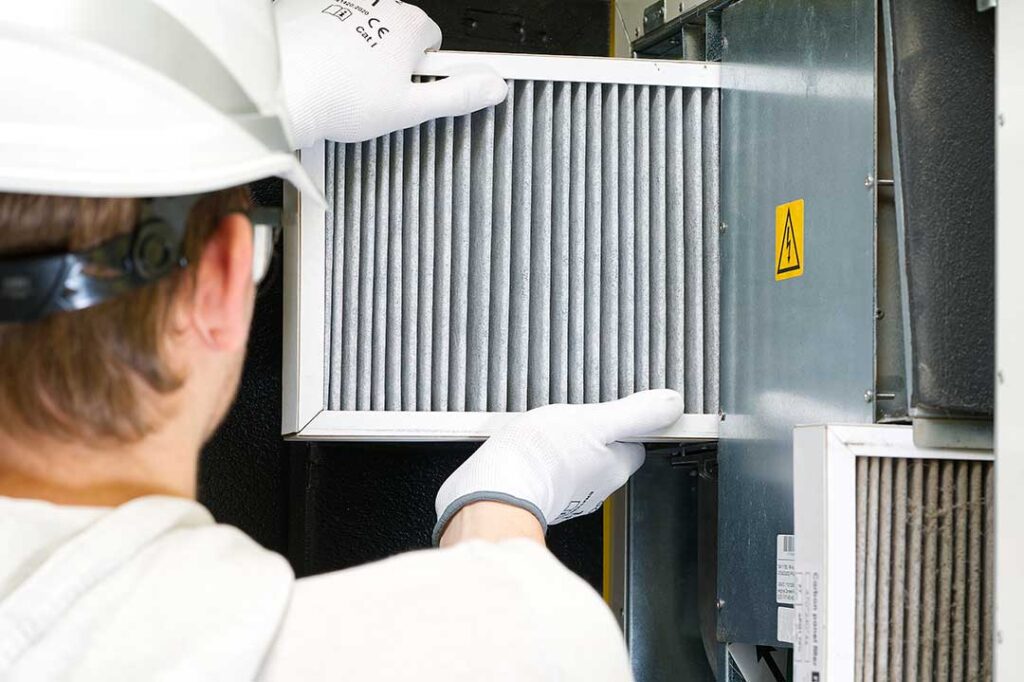
- Dirty furnace filters or air conditioning coils restrict airflow, causing the system to run longer.
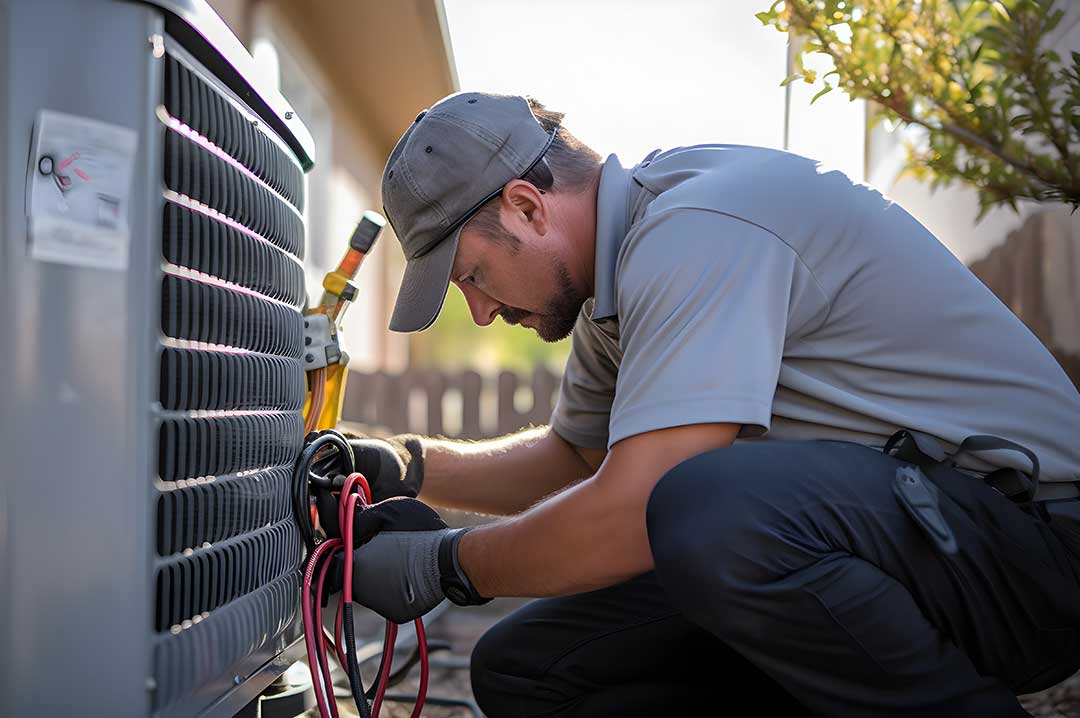
- Lack of annual maintenance means worn parts or low refrigerant go unnoticed and add to costs.
- Aging equipment, especially heating systems older than 15-20 years, is noticeably less efficient than modern units even when functioning.
Unusual noises, inconsistent temperatures, or excessively long run times show that it’s worth checking on the system’s performance—not just its age.
How Do Local Weather and Climate Conditions Affect Energy Use?
Ticonderoga experiences dramatic seasonal shifts, with long, cold winters and occasional summer heatwaves. The number of days requiring heating or cooling can swing greatly from year to year.
- Prolonged periods of subfreezing temperatures push heating systems to run almost nonstop.
- High humidity in the summer encourages wider air conditioning use, sometimes even at night.
- Local wind patterns can increase draftiness, especially in rural or exposed properties.
Comparing this year’s weather with last season’s bill can help determine how much the climate, rather than household habits, has influenced energy use.
Can Daily Household Habits Make a Noticeable Difference?
Behaviors and habits within a household add up. For example:
- Leaving windows open in spring or fall may seem refreshing, but can counteract the thermostat’s settings and overwork systems.
- Thermostat settings matter: heating just two degrees higher in the winter, or cooling two degrees lower in the summer, can significantly increase consumption.
- Forgetting to unplug seldom-used electronics or leaving unnecessary lights on results in what’s sometimes called “phantom load.”
Even small changes—like turning off ceiling fans when a room is empty—can chip away at overall usage, especially in larger families or multi-bedroom homes.
Are Appliances and Electronics Draining Power?
Beyond heating and cooling, other appliances affect overall energy demand.
- Older refrigerators, freezers, window air conditioners, or even dehumidifiers operate less efficiently than newer models.
- Laundry habits matter: regularly washing with hot water raises both electric and fuel costs, particularly for larger households.
- Televisions, computers, game consoles, and similar devices can draw power even when switched off.
Checking for appliances constantly running, or using high-powered setting defaults, is often overlooked but can be a hidden source of increased consumption.
How Does Water Heating Impact Bills in This Community?
Heating water is often the second-largest energy expense in area homes, particularly in winter months.
- Traditional tank-style water heaters keep water hot even when unused, leading to standby losses.
- Leaking faucets, especially hot water taps, waste not just water but the energy used to heat it.
- Long, high-temperature showers, or frequent use of dishwashers and washing machines, boost energy use without most realizing it.
Installing simple insulation on water heater tanks or lowering the thermostat a few degrees can help, and fixing drips quickly prevents cumulative waste.
Could There Be Issues With Meters or Energy Billing?
Occasionally, inaccuracies with utility meters or billing practices contribute to higher bills.
- Utility companies may estimate usage rather than reading the actual meter, leading to spikes that get “caught up” on future bills.
- Outdoor meters blocked by snow or debris can make readings less accurate.
- Changing electricity or fuel rates—sometimes seasonally, sometimes by supply and demand—cause costs to rise even if usage remains stable.
Review monthly statements to confirm meter readings match actual usage, especially if a bill suddenly rises without a clear reason.
What Are Some Frequently Overlooked Reasons for Spikes in Energy Use?
Sometimes the source is unexpected:
- Space heaters, which are convenient during cold snaps, draw considerable electricity and can increase bills quickly.
- Portable dehumidifiers used in basements or crawl spaces are essential at times, but running them constantly consumes a lot of energy.
- Home improvement projects, like running power tools or new lighting, add temporary but notable demand.
- Guests or larger family gatherings, especially over holidays or school vacations, mean more showers, cooking, and time spent at home.
Reviewing household changes or recent projects can help explain one-off spikes or gradual bill increases.
Where Can Residents Find Reliable Information and Support?
Residents can learn more about managing home energy use through local public libraries and community centers where educational materials or seasonal workshops may be offered. New York State also regularly updates energy efficiency guidance for homeowners and renters, which can benefit anyone looking to reduce costs and improve comfort.