

 See My Latest Article on HelloNation
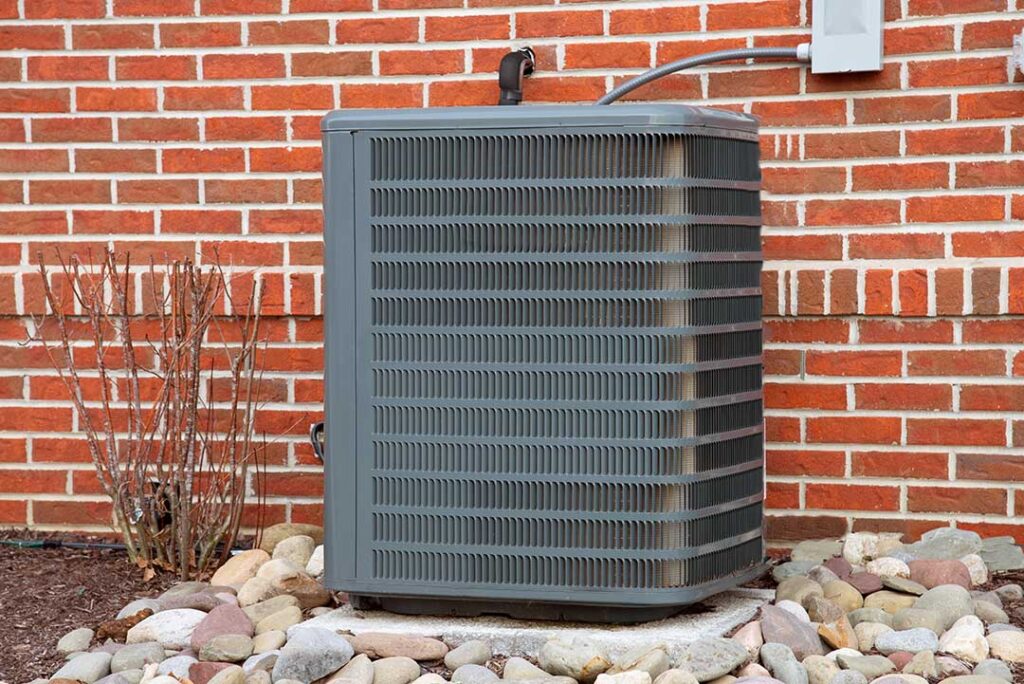
Ductless mini-split systems can provide efficient heating and cooling without the ductwork required by a traditional central HVAC system. They are especially useful in homes with additions, finished rooms, older layouts, or areas that are difficult to serve with existing ducts.
They are not automatically the right choice for every household, however. Installation cost, outdoor winter conditions, indoor unit placement, maintenance, electrical capacity, and the need for backup heat all deserve careful consideration.
How does a ductless mini-split system work?
A ductless system uses an outdoor compressor connected to one or more indoor air-handling units by refrigerant lines, wiring, and a condensate drain. The indoor units are usually mounted high on a wall, although ceiling-mounted and floor-level designs are also available.
Unlike a window air conditioner or a portable unit, a mini-split can both cool and heat. In cooling mode, it removes heat from the home and releases it outdoors. In heating mode, it reverses that process and transfers heat from outdoor air into the building.
Each indoor unit typically has its own temperature control. This allows different rooms or zones to be heated or cooled according to how they are used.
What are the main advantages?
Efficient heating and cooling
Ductless systems avoid the energy losses associated with leaky or poorly insulated ducts. This can be valuable in older homes where ductwork passes through unconditioned attics, crawl spaces, basements, or enclosed chases.
Heat pump mini-splits can also deliver more heating energy than the electrical energy they consume under suitable operating conditions. Their performance depends on outdoor temperature, equipment design, sizing, and maintenance.
Zoned temperature control
A multi-zone system can serve several areas independently. Bedrooms may be kept cooler for sleeping, while a living area can receive more heating or cooling during occupied hours.
Zoning may also reduce unnecessary conditioning in rooms that are rarely used. This is different from closing supply registers in a central system, which can create pressure and airflow problems. With a ductless system, zoning is built into the equipment.
Useful for additions and difficult spaces
A mini-split can be practical for:
- A room addition without access to existing ductwork
- A finished attic or basement
- A detached area used as a workshop or office
- An older home with limited space for ducts
- A household seeking cooling where none previously existed
In a community with a mix of older houses, renovations, and seasonal occupancy patterns, flexibility can be a major advantage.
Quiet operation
Indoor units are generally quieter than window air conditioners and may be less disruptive than some older heating or cooling equipment. The outdoor unit still produces sound, so placement matters, particularly near bedrooms, property lines, or outdoor sitting areas.
Less disruption during installation
Installing ductwork throughout an existing home can require opening walls, modifying ceilings, or reducing storage space. Ductless installation usually involves smaller wall penetrations and less interior construction, although refrigerant lines and condensate drainage still need to be routed carefully.
What are the disadvantages?
The indoor units remain visible
The wall-mounted heads are part of the room rather than hidden behind ceilings or walls. Some residents find them unobtrusive, while others dislike their appearance or the restrictions they place on furniture and wall décor.
The location also affects comfort. An indoor unit placed above a doorway, near a stairwell, or in a room with unusual air movement may not distribute heat evenly.
Several indoor zones can increase cost and complexity
A single-zone system is relatively straightforward. A multi-zone design may require multiple indoor units, longer refrigerant lines, more controls, and more careful balancing.
Using several indoor units can improve comfort, but it also means more filters to clean, more components to maintain, and more opportunities for installation problems if the system is poorly designed.
Heating capacity decreases in very cold weather
Cold-climate mini-splits can operate at low outdoor temperatures, but their heating capacity and efficiency usually decline as the temperature drops. During extended cold spells, the system may need longer run times and may rely on supplemental or backup heat.
A mini-split should not be judged only by its advertised maximum heating capacity. Important details include:
- Heating capacity at low outdoor temperatures
- Defrost behavior
- Operating limits
- Electrical requirements
- Whether backup heat is available
- How well the building is insulated and air-sealed
For a home that must remain protected during winter absences, backup planning is particularly important. Frozen plumbing and low indoor temperatures can cause extensive damage even when the heating equipment itself is functioning properly.
Defrost cycles affect comfort and drainage
In heating mode, frost can build up on the outdoor coil during cold, damp weather. The system periodically enters a defrost cycle to melt that frost. During defrost, heating output may temporarily change or pause.
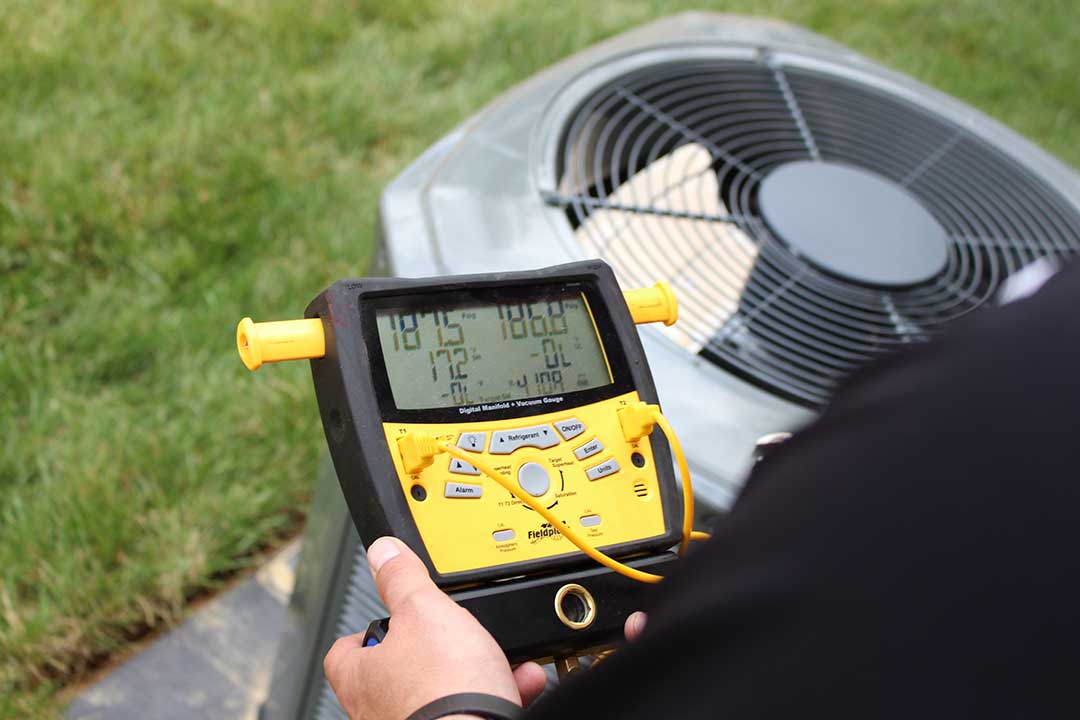
Meltwater must also drain away from the outdoor unit. Poor drainage can create ice near walkways, foundations, or the equipment itself. Outdoor placement should account for snow accumulation, roof runoff, drifting, and access for winter maintenance.
Maintenance is more visible and frequent
Indoor filters generally need regular cleaning, especially in homes with pets, wood dust, renovation debris, or frequent occupancy. Dirty filters can restrict airflow and reduce performance.
The indoor coil, blower wheel, outdoor coil, drain system, and refrigerant circuit may also require periodic attention. Because the indoor equipment is located in living spaces, dust buildup or condensate problems may be noticed sooner than with hidden ductwork.
Electrical and installation requirements can be significant
A ductless system may require a dedicated electrical circuit or other electrical modifications. Older homes should be evaluated for available capacity before equipment is selected.
Refrigerant piping must be installed within manufacturer limits, insulated properly, protected from physical damage, and sealed where it passes through the building envelope. Condensate drainage must also be designed to prevent leaks, mold growth, and winter freezing.
Are mini-splits a good choice for older homes?
They can be, particularly when a home lacks usable ductwork or when extending existing ducts would be difficult. However, a ductless system does not solve every comfort problem by itself.
Older homes may have uneven insulation, air leakage, closed-off rooms, high ceilings, or additions built at different times. Heat may not move easily between rooms, even when the mini-split is operating correctly.
A system should be sized for the actual heating and cooling load rather than based only on floor area. Oversized equipment may cycle inefficiently, while undersized equipment may struggle during cold weather. Building improvements such as air sealing, insulation, storm-window upgrades, and attic or foundation-area insulation can affect the required system size.
Can a mini-split replace an existing furnace or boiler?
Sometimes, but the answer depends on the building and the system design. A ductless heat pump can provide the primary heat in some homes, while an existing boiler, furnace, electric resistance system, or other heat source remains available during extreme cold or equipment downtime.
A home with multiple small rooms may not receive even heat from one indoor unit. A home with hydronic baseboard heat may also lose the comfort characteristics of radiant heat if the boiler is removed entirely.
For many households, a dual-fuel or supplemental approach provides more resilience than relying on one heat source alone. The practical choice depends on insulation, room layout, electrical service, winter occupancy, fuel availability, and tolerance for temperature variation.
What should residents consider before choosing one?
A useful evaluation includes more than comparing equipment prices. Consider:
- Which rooms need heating and cooling
- Whether doors are usually open or closed
- How much wall space is available
- Where snow and ice will affect the outdoor unit
- Whether condensate can drain safely
- Whether the electrical panel has sufficient capacity
- How the system will perform during extended cold weather
- Whether backup heat is already available
- Who will clean filters and monitor the equipment
- Whether indoor unit placement will create drafts or uneven temperatures
Ductless mini-splits can be a strong option for targeted comfort, additions, and homes without practical ductwork. Their limitations become more significant when a building has many closed rooms, severe air leakage, limited electrical capacity, or no backup plan for extreme winter conditions. The most reliable decision comes from matching the system design to the home’s layout, insulation, occupancy, and seasonal heating needs.