

 See My Latest Article on HelloNation
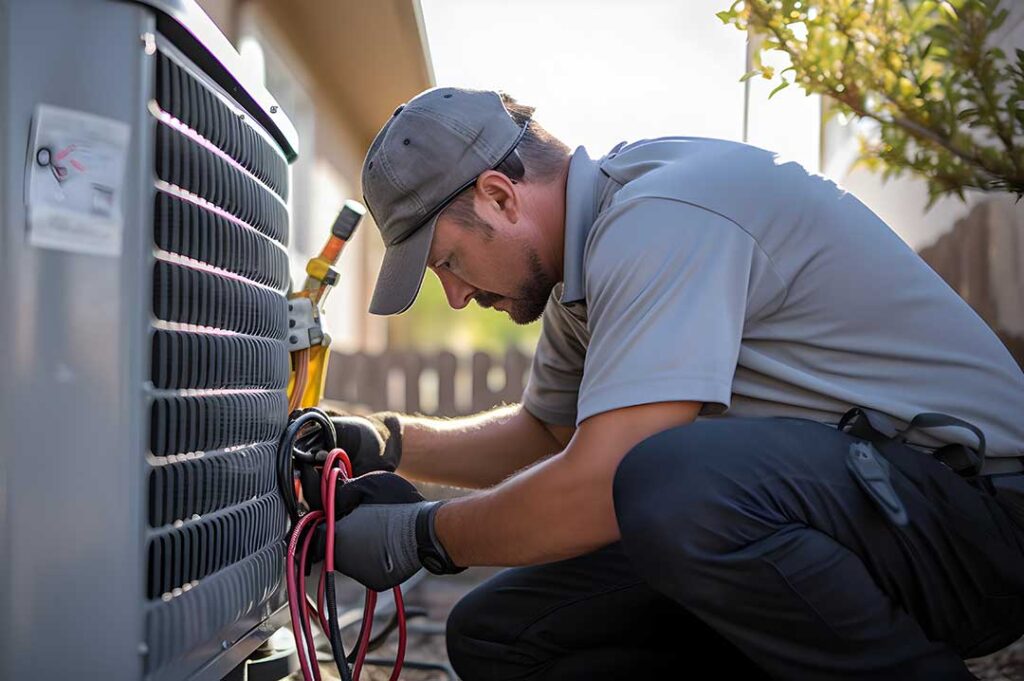
Carbon monoxide, or CO, is a poisonous gas that cannot be seen, smelled, or tasted. In Ticonderoga, NY, the risk deserves extra attention during long heating seasons, winter power outages, and periods when homes are tightly closed against cold weather.
The most reliable way to detect carbon monoxide is with properly installed, working CO alarms. Symptoms, appliance problems, and unusual conditions can provide warning signs, but people should never rely on those clues alone.
What is carbon monoxide, and where does it come from?
Carbon monoxide forms when fuel does not burn completely. Common household sources include:
- Oil- or gas-fired furnaces
- Gas water heaters
- Wood stoves and fireplaces
- Gas ranges, ovens, and clothes dryers
- Kerosene or other fuel-burning heaters
- Portable generators
- Vehicles running near or inside an attached garage
- Charcoal grills and camping equipment
A heating appliance can produce carbon monoxide even when it appears to be operating normally. Blocked vents, damaged flues, poor combustion, backdrafting, or negative air pressure can allow exhaust to enter living areas.
Snow and ice can also block outdoor exhaust openings. After a heavy storm, residents should check that furnace, boiler, fireplace, and dryer vents are clear of snow, leaves, and other debris—but should only do so safely and without opening or dismantling equipment.
How can carbon monoxide be detected inside a home?
A CO alarm is the primary household detection method. Install alarms on every level of the home and outside sleeping areas. In homes with multiple bedrooms, each separate sleeping area should have nearby protection.
Follow the alarm manufacturer’s placement instructions. In general:
- Keep alarms where they can be heard from sleeping areas.
- Avoid placing them directly beside fuel-burning appliances.
- Do not cover them with furniture, curtains, or other materials.
- Avoid locations near heating vents, windows, doors, or strong drafts.
- Use interconnected alarms when possible so that one alarm activates the others.
A test button checks whether the alarm’s electrical and sound functions are working. It does not necessarily confirm that the sensor can measure carbon monoxide accurately. Replace batteries as directed and replace the entire alarm according to its listed service life or the manufacturer’s instructions. Many alarms provide an end-of-life signal.
A digital-display alarm may show the highest detected concentration, but a display reading of zero does not prove that carbon monoxide has never been present. Alarm placement, sensor age, and changing conditions all matter.
What are the symptoms of carbon monoxide poisoning?
Symptoms can resemble the flu and may become worse inside the home and improve after leaving. Possible symptoms include:
- Headache
- Dizziness or weakness
- Nausea or vomiting
- Unusual tiredness
- Shortness of breath
- Chest pain
- Confusion or difficulty thinking
- Loss of coordination
- Fainting
Several people in the household becoming ill at the same time is a warning sign, especially if pets also seem weak or unusually sleepy. Symptoms may be more severe for infants, older adults, pregnant people, and anyone with heart, lung, or other health conditions.
Carbon monoxide can cause serious illness before a person recognizes what is happening. Someone who is sleeping may not wake up in time to respond to symptoms, which is why alarms are essential.
What should you do if a CO alarm sounds?
Treat every carbon monoxide alarm as a real warning unless emergency responders determine otherwise.
Immediately:
1. Get everyone, including pets, outside into fresh air.
2. Do not stop to search for the source or silence the alarm.
3. Call 911 or the local emergency number from outside.
4. Tell responders that a carbon monoxide alarm sounded or that exposure is suspected.
5. Seek medical attention for anyone with symptoms.
6. Do not reenter until emergency personnel or another qualified authority says it is safe.
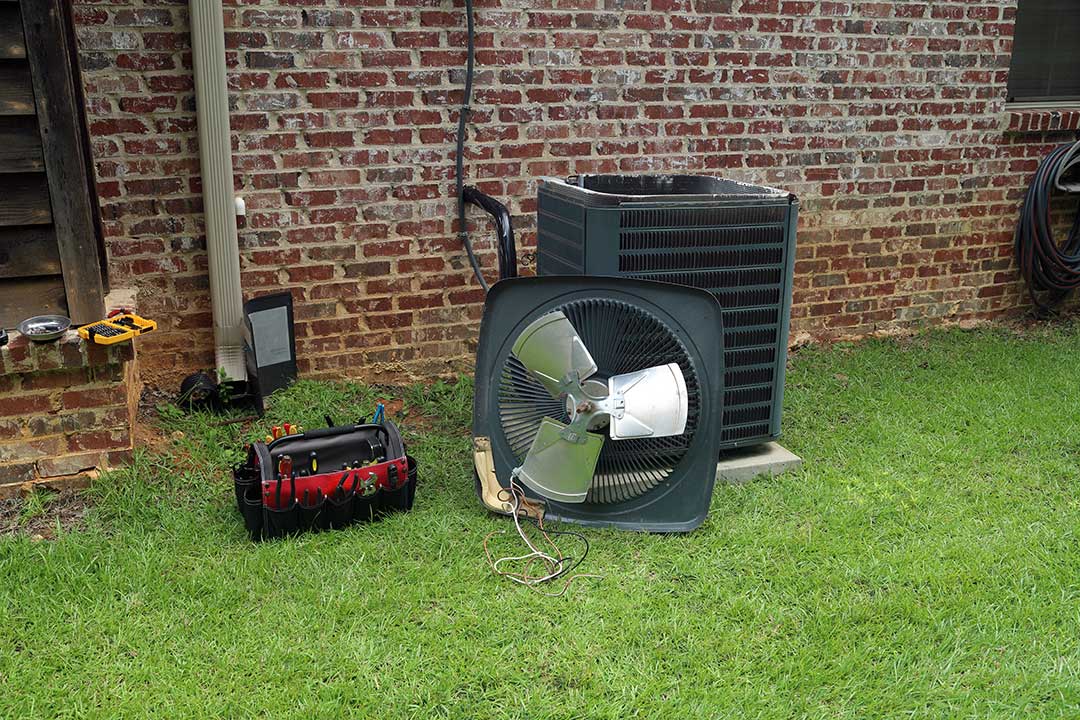
Do not assume the alarm is malfunctioning because no one feels sick. Carbon monoxide levels can change, and symptoms may not begin immediately.
If the alarm sounds again after residents are allowed to return, leave again and report the recurring alarm. Fuel-burning equipment, vents, chimneys, and combustion conditions should be checked before the home is occupied normally.
Can you smell carbon monoxide?
No. Carbon monoxide itself has no dependable odor. A person may smell natural gas, smoke, oil, or other substances associated with a heating problem, but those odors are not a reliable way to detect CO.
A strange smell near a furnace, boiler, fireplace, water heater, or gas appliance should still be taken seriously. It may indicate a separate fuel leak, incomplete combustion, overheating, or another unsafe condition.
Which household conditions increase the risk?
Cold-weather habits can unintentionally create conditions that allow carbon monoxide to accumulate. Common examples include:
- Running a portable generator in a garage, basement, porch, shed, or near doors and windows
- Leaving a vehicle running in an attached garage, even with the garage door open
- Using a gas oven or range to heat the home
- Burning charcoal indoors or inside a fireplace
- Operating a portable camp stove inside the house
- Blocking combustion-air openings or appliance vents
- Ignoring a furnace or water-heater exhaust problem
- Using fuel-burning equipment after a chimney or vent becomes blocked
A portable generator should be operated outdoors, well away from windows, doors, and vents, and according to its instructions. Opening a garage door or window does not make indoor generator use safe.
How can heating systems be checked before winter?
Fuel-burning heating equipment should be inspected and maintained regularly, especially before the heating season begins. This includes the appliance, venting, chimney or flue, combustion air, and visible connections.
Local households often rely on oil heat, wood heat, fireplaces, or other combustion-based equipment during cold months. Older homes, additions, enclosed porches, and renovations can change airflow and may affect how combustion appliances draft. A new exhaust fan, tightly sealed window, or remodeling project can sometimes alter air pressure in ways that were not present when the heating system was installed.
Annual maintenance is also a good time to check that:
- Exhaust pipes are properly connected and free of blockage.
- Chimneys and flues are not obstructed.
- Appliance rooms have the required air supply.
- Furnace and boiler doors or panels are properly fitted.
- CO alarms are present, tested, and within their service life.
- Outdoor vents remain clear after snow and ice accumulation.
Carbon monoxide alarms provide an important warning, but they do not replace safe appliance operation, proper venting, and regular maintenance. A home can have a functioning alarm and still contain a dangerous source that needs immediate attention.