

 See My Latest Article on HelloNation
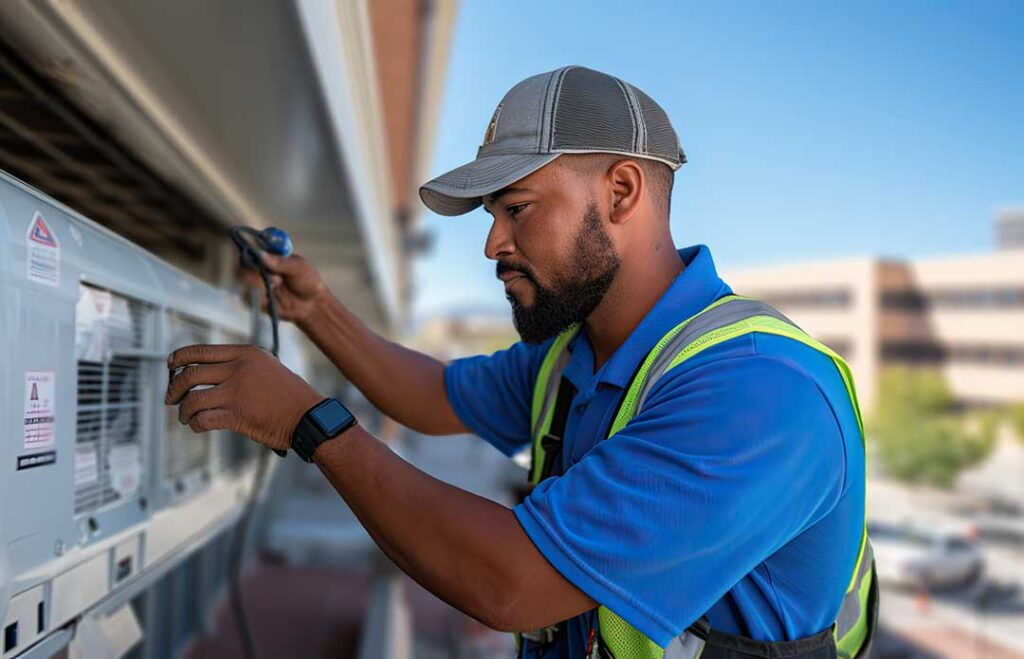
Annual HVAC tune-ups are a practical form of preventive maintenance. They help heating and cooling equipment operate more safely, reveal developing problems before they become breakdowns, and support more consistent indoor comfort through changing seasons.
For households in Ticonderoga, where heating systems may run for long periods during cold weather and cooling equipment can face humid summer conditions, routine attention is especially useful. A tune-up does not guarantee that equipment will never fail, but it can reduce avoidable strain and provide a clearer picture of the system’s condition.
What does an HVAC tune-up include?
An HVAC tune-up is a systematic inspection, cleaning, testing, and adjustment of heating or cooling equipment. The exact work depends on whether a home uses a furnace, boiler, heat pump, central air conditioner, ductless system, or another type of equipment.
A heating inspection may include:
- Checking the burner, heat exchanger, ignition system, and safety controls
- Inspecting electrical connections and motor operation
- Testing temperature rise and airflow
- Examining flue or venting components
- Cleaning accessible components that collect dust or debris
- Checking thermostat operation
- Looking for water leaks, unusual corrosion, or damaged wiring
Cooling maintenance commonly includes:
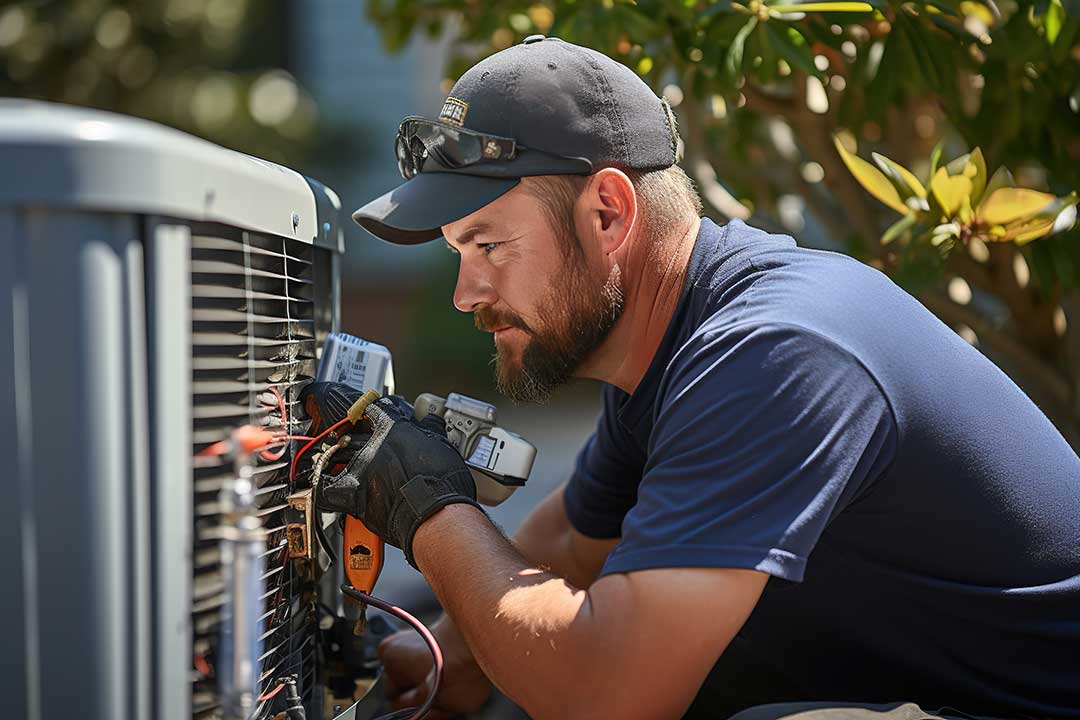
- Cleaning or inspecting the outdoor coil
- Checking refrigerant-related performance
- Examining condensate drains and drain pans
- Testing electrical components and capacitors
- Inspecting blower operation and airflow
- Checking supply and return temperatures
- Confirming that the thermostat and safety controls respond properly
A tune-up should also identify conditions that require attention but are not necessarily emergencies. For example, a technician may find a worn belt, restricted filter, loose electrical connection, blocked drain, or failing capacitor before the problem stops the system.
Why is annual maintenance useful in a cold-weather community?
Heating equipment often works hardest during the coldest stretches of the year. Long operating cycles place continuing demands on burners, motors, fans, pumps, electrical controls, and venting components.
In Ticonderoga, winter weather can create a situation in which a heating failure is more than an inconvenience. Frozen pipes, unsafe indoor temperatures, and difficult living conditions can develop quickly when a home loses heat during a prolonged cold spell. Annual maintenance gives the system a chance to be evaluated before peak heating demand arrives.
The timing matters. A furnace or boiler that appears to work normally in early autumn may still have hidden problems that become apparent only after hours of continuous operation. A seasonal inspection cannot eliminate every risk, but it is more useful than waiting for the first serious cold snap.
Can a tune-up lower energy use?
Maintenance can support efficient operation, but the amount of energy savings varies widely. A clean filter, unobstructed airflow, properly operating blower, and correctly adjusted equipment allow the system to deliver heat or cooling without unnecessary resistance.
A dirty filter is a common example. If airflow is restricted, a furnace may run longer to reach the thermostat setting. In a cooling system, poor airflow can reduce comfort, contribute to coil icing, and increase operating time. A filter that is too restrictive for the equipment can also create problems, even if it is marketed as a higher-efficiency option.
The correct replacement schedule depends on filter size, system design, indoor dust levels, pets, renovation activity, and how often the equipment operates. Filter changes are usually a homeowner task, while selecting a filter with excessive resistance may require technical guidance.
Energy use can also be affected by duct leakage, poor insulation, aging equipment, thermostat settings, and building air leakage. A tune-up addresses equipment condition but cannot correct every cause of high utility consumption.
Does maintenance improve safety?
For fuel-burning equipment, safety is one of the strongest reasons for regular inspection. Furnaces, boilers, and other combustion appliances must receive adequate air, burn fuel properly, and vent combustion products safely.
A problem involving the burner, heat exchanger, flue, chimney, or vent connector can create a risk of carbon monoxide exposure. Carbon monoxide is colorless and odorless, so people cannot reliably detect it without an alarm. Carbon monoxide alarms should be installed and maintained according to safety guidance, but an alarm is not a substitute for proper equipment inspection.
Warning signs that deserve prompt attention include:
- A yellow or irregular burner flame where a steady blue flame is expected
- Soot, scorch marks, or unexplained discoloration near the appliance
- Rust or water damage around heating equipment
- Headaches, dizziness, nausea, or unusual fatigue when the system operates
- Repeated shutdowns or frequent activation of safety controls
- A strong fuel odor or visible damage to a fuel line
If a carbon monoxide alarm sounds, occupants should leave the building and follow emergency guidance. Fuel-burning equipment should not be operated again until the situation has been evaluated.
When should a home receive an HVAC tune-up?
For a heating system, late summer or early fall is generally a sensible maintenance period. This allows problems to be found before the equipment is needed continuously. Cooling equipment is commonly checked in spring, before warmer and more humid weather arrives.
Homes with combined heating and cooling systems may need two seasonal inspections, while some equipment types can be evaluated during one broader annual visit. The appropriate schedule depends on the equipment, its age, manufacturer requirements, previous repair history, and operating conditions.
Older systems, homes with recurring comfort problems, and equipment that operates unusually often may need more frequent attention. A system that has recently experienced a breakdown should not be considered fully evaluated simply because it has started running again.
What can homeowners check between tune-ups?
Routine homeowner checks do not replace technical maintenance, but they can catch simple problems early.
Before each heating and cooling season, residents can:
- Replace or inspect the air filter
- Keep supply and return vents open and unobstructed
- Remove leaves, grass, and other debris from around outdoor equipment
- Confirm that the thermostat displays correctly
- Check that condensate lines are not visibly blocked or overflowing
- Listen for new rattling, grinding, squealing, or banging sounds
- Make sure combustion equipment has adequate clearance
- Test smoke and carbon monoxide alarms
Outdoor heat pumps and air-conditioning units need clear space for airflow. Snow, packed leaves, vegetation, and stored household items can restrict operation or cause moisture problems. Combustion appliances also need proper clearance from boxes, paint, fuel containers, and other combustible materials.
What are the signs that a tune-up should not wait?
Some conditions justify prompt evaluation rather than waiting for the next scheduled maintenance period. These include a system that repeatedly shuts down, produces a burning or fuel odor, leaks water, trips a circuit breaker, fails to heat or cool evenly, or makes a new mechanical noise.
A sudden rise in operating time can also be meaningful. If a system runs much longer than usual while the weather and thermostat settings remain similar, the cause could be a dirty filter, restricted airflow, failing component, duct problem, low refrigerant, inadequate insulation, or another issue.
Annual maintenance is most useful when treated as part of a broader household routine: seasonal filter checks, clear equipment areas, functioning safety alarms, and attention to unusual changes in performance. Together, these steps help area households stay more comfortable and better prepared for the demands placed on HVAC equipment throughout the year.