

 See My Latest Article on HelloNation
Why Should Furnaces Be Prepared Before Winter in Ticonderoga, NY?
Proper furnace preparation prevents cold weather breakdowns and helps ensure homes stay reliably warm throughout long Adirondack winters. In this region, winter temperatures often drop well below freezing, and heating is vital for comfort and safety. Furnaces that aren’t properly maintained may run less efficiently, use more energy, or even develop hazardous malfunctions.
What Basic Maintenance Should Be Done Before Heating Season Starts?
Residents should plan for a seasonal checkup in early fall—before daily heating is needed. The main steps include:
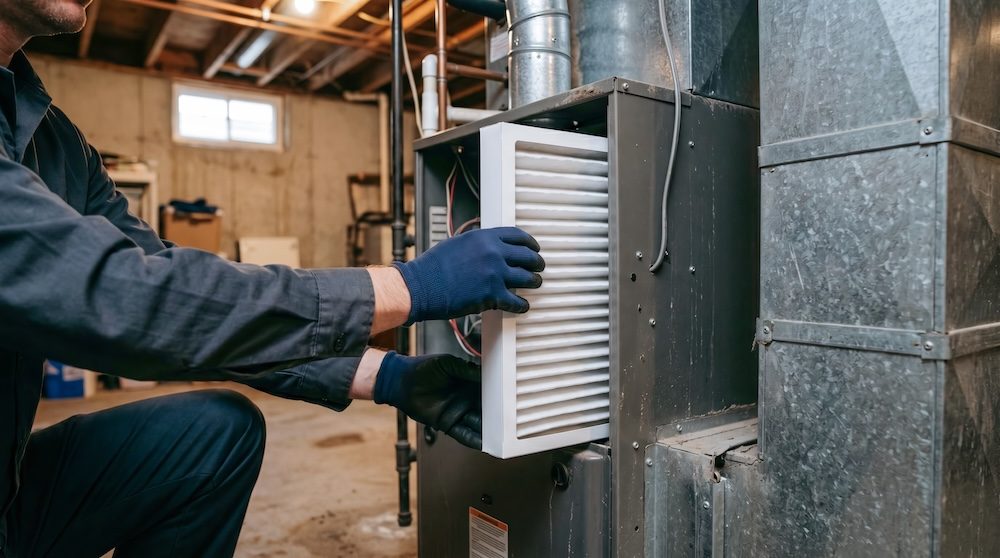
- Replacing or Cleaning the Air Filter: Dirty filters reduce airflow and efficiency. Most disposable furnace filters should be changed every one to three months, but the start of heating season is a reliable time to swap in a new one.
- Clearing Vents and Registers: Vacuum dust and remove obstructions from floor and wall vents throughout the home. Furniture or curtains blocking airflow can cause uneven heating.
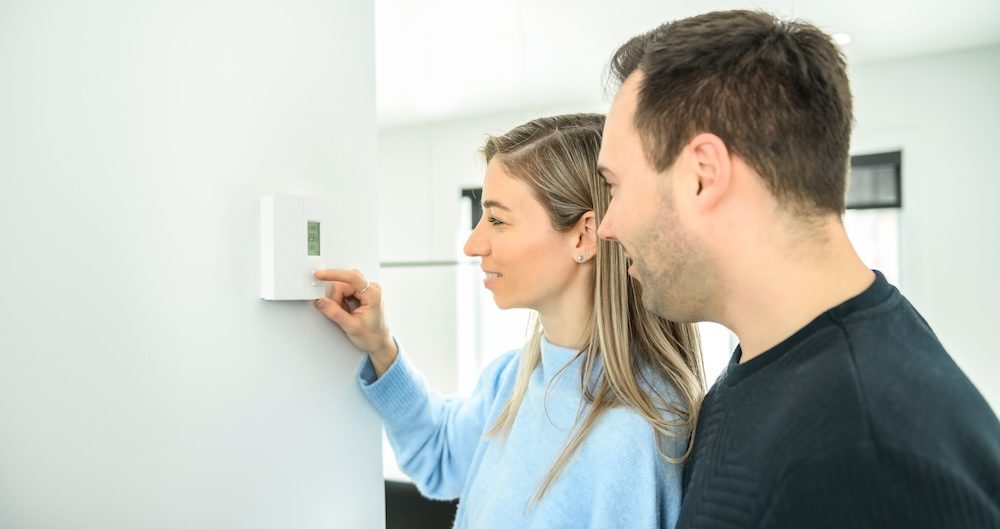
- Inspecting the Thermostat: Make sure batteries (if present) are fresh and that the thermostat responds as expected when turned up. Some residents overlook older thermostats, which can give inaccurate room readings if malfunctioning.
- Visual Inspection: Check around the furnace for signs of dust buildup, stored items, or anything blocking airflow or access. Also, inspect the unit for rust, loose panels, or odd smells.
Are There Safety Steps Specific to Furnaces Used in This Area?
Yes. In Ticonderoga, many homes rely on fuel oil, propane, or natural gas furnaces. Each type presents specific safety checks:
- Test Carbon Monoxide Detectors: Every home with a combustion furnace should have working CO detectors, especially if the furnace is in a basement or enclosed space. Replace batteries and test alarms.
- Check the Exhaust and Venting: Blocked chimneys or exhaust pipes can cause dangerous gases to back up into the home. Ensure outside vent outlets are clear of leaves, snow, nests, or debris.
- Smell for Fuel Odors: A lingering smell of gas, oil, or an acrid "burnt" scent after the first heat-up might indicate a leak or incomplete combustion and should be checked immediately.
- Pilot Light (if present): On older models, confirm the pilot burns blue and steady (not yellow or flickering).
What Are Common Mistakes Households Make When Preparing Their Furnace?
Some frequent oversights include:
- Skipping Filter Changes: Believing the filter "looks fine" or forgetting altogether.
- Ignoring Unusual Noises: Thumps, rattles, or scraping aren’t normal and suggest loose or worn parts.
- Neglecting the Furnace Area: Storage near the furnace is risky; flammable materials must be kept clear.
- Assuming Newer Furnaces Don’t Need Attention: Even recent models need regular upkeep for best performance and safety.
What Local Factors Affect Furnace Preparation in Ticonderoga?
The city’s mix of older and newer homes means furnace models and installation quality can vary widely.
- Many basements remain damp or unheated, increasing the chance of corrosion or critter nests near furnace components.
- Power outages are not uncommon during snowstorms, so it's smart for residents to know how to manually reset their furnace or safely shut it down if needed.
- Furnace vent terminations are often at ground level, where snow buildup can block exhaust during blizzards. Clearing these after every major snowfall is especially relevant for the area.
How Do Residents Recognize If a Furnace Needs Professional Intervention?
Most basic maintenance is safe for homeowners, but certain warning signs should not be ignored:
- Visible soot or scorch marks around the furnace or vent pipe
- Persistent, unexplained odors
- Alarm from a carbon monoxide detector
- A furnace that repeatedly fails to start or won’t stay running
In such cases, strong odors, visible signs of combustion problems, or repeated system shutdowns should be addressed quickly for household safety.
What Should Households Do During the First Furnace Startup Each Year?
Turn the system on well before a deep freeze to catch problems early. When first running the furnace:
1. Set the thermostat higher and listen for normal startup sounds.
2. Expect dust or “hot” smells—this usually fades within the first hour if the unit was off all summer.
3. Check the registers in each room for warm air and confirm even heating.
If noises are loud or persistent, or if rooms aren’t warming as expected, further inspection is warranted.
Can Residents Reduce Heating Costs With Furnace Maintenance?
Regular filter changes and ventilation checks help furnaces run more efficiently, often lowering the cost of winter heating bills. Keeping vents unblocked and thermostats programmed can provide additional savings over the long season experienced in Ticonderoga.