

 See My Latest Article on HelloNation
What Are Recommended Thermostat Settings for Summer and Winter in Ticonderoga, NY?
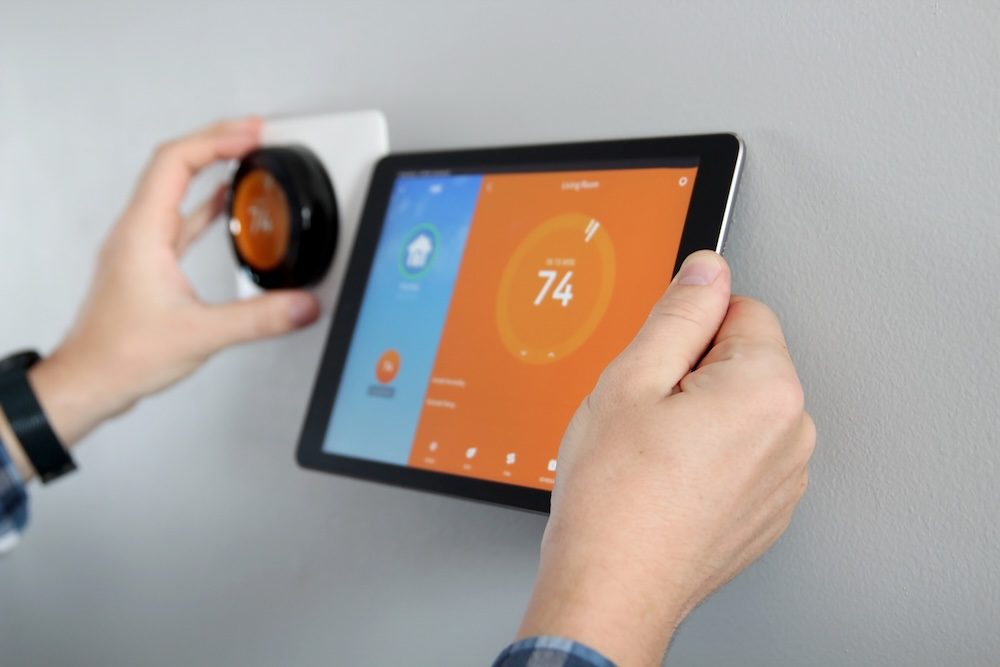
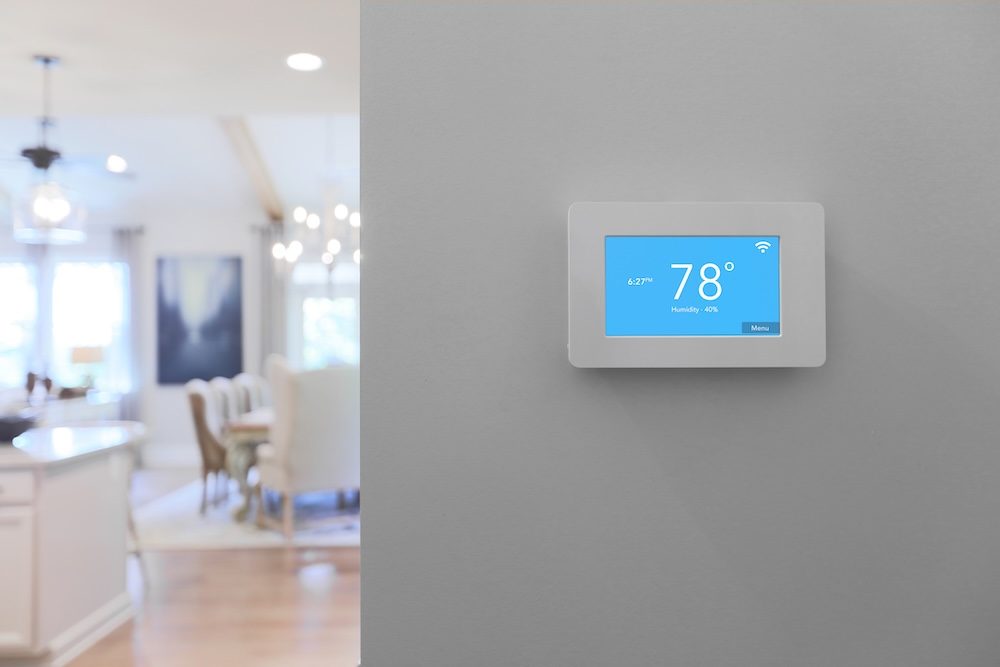
For most area households, 78°F is a good starting point in summer when at home, and 68°F is recommended in winter. These temperatures balance comfort and energy efficiency given the city’s typical climate and housing.
Winters in Ticonderoga are often cold and snowy, whereas summers can be humid and occasionally quite warm. HVAC systems in this region work hard during both seasons, so the right settings help reduce energy use without sacrificing comfort.
Why 68°F in Winter?
Setting the thermostat to 68°F during waking hours helps keep homes comfortable without overworking heating systems. For many residents, this is warm enough indoors while preventing excessive energy bills.
- Lowering the thermostat by 7-10°F overnight or while out of the house can significantly reduce heating costs.
- Programmable or smart thermostats make these adjustments easier by setting schedules to match daily routines.
- Wearing layers or using blankets allows residents to feel warm at 68°F without needing to increase the temperature.
Keeping indoor temperatures much higher than 68°F can strain older heating systems commonly found in the region’s homes and can dry out the indoor air, leading to discomfort.
What About Summer Months?
In summer, 78°F while at home strikes a practical compromise for cooling cost and comfort, especially during humid stretches.
- Raising the thermostat to 85°F or higher when no one is home can reduce electricity use.
- Ceiling fans and portable fans help make 78°F feel cooler by improving air circulation.
- Keeping blinds or curtains closed during the hottest part of the day reduces indoor heat gain, making it easier to maintain this temperature.
- Humidity levels can influence comfort; running a dehumidifier helps some households feel comfortable at higher temperatures.
It can be tempting to set the thermostat lower on hot days, but every degree below 78°F adds significantly to cooling costs.
Should Thermostat Settings Change at Night?
Adjusting settings at night can yield savings with minimal comfort trade-offs.
- In winter, reducing the temperature by 7-10°F while sleeping (typically down to 60-61°F) is often manageable with adequate bedding.
- In summer, raising the temperature by a few degrees at night or using fans in bedrooms is usually comfortable, especially if outdoor temperatures cool off after sunset.
Making these adjustments is safe for most insulated homes and is unlikely to affect plumbing or structural components during most Ticonderoga winters.
How Does Humidity Affect Thermostat Choices?
Humidity is a major comfort factor, particularly during muggy summer months or in periods of very dry winter air.
- High indoor humidity can make a home feel warmer than the thermostat reads. Dehumidifiers or running the air conditioner fan set to “on” (not “auto”) may help keep things comfortable at higher settings.
- In winter, managing dryness is important. Humidifiers or adding moisture can allow for lower thermostat settings without sacrificing comfort, since humid air feels warmer.
Are There Special Considerations for Older Homes?
Many homes in Ticonderoga have older heating or cooling systems and varying degrees of insulation. Heat retention and cooling loss can both be significant in historic structures.
- Drafts, single-pane windows, and under-insulated attics can lead to cold spots in winter and hot rooms in summer, so settings may require minor adjustments.
- Door snakes, weatherstripping, and heavy curtains offer simple solutions to reduce drafts and hold desired temperatures steady.
- If occupants notice uneven temperatures room-by-room, it’s practical to use portable fans or space heaters to supplement, rather than adjusting the whole house thermostat.
Can Frequent Thermostat Adjustments Harm Equipment?
Manual thermostat changes throughout the day do not damage modern heating or cooling equipment, though systems will run more frequently with wide temperature swings.
- For efficiency, it’s preferable to set a schedule and let the system make gradual changes.
- Rapid, large adjustments force systems to work harder in the short-term but don’t have long-term negative impacts if not done constantly.
Well-maintained equipment, common in many Ticonderoga homes, can handle routine adjustments.
Which Thermostat Type Is Best for Routine Adjustments?
Programmable models are ideal for setting daily or weekly temperature schedules, which fit most families’ routines. Smart thermostats—if compatible with existing system wiring—can adjust automatically for weather, occupancy, or time of day.
- Mechanical thermostats often used in older homes require manual adjustments but still allow for energy-saving practices.
- Households with irregular schedules can use manual or smart thermostats, adjusting as they come and go.
Residents should select thermostat types that fit their heating and cooling needs, lifestyle, and willingness to adjust settings.
What Are the Most Common Temperature Setting Mistakes?
A few pitfalls can lead to unnecessary energy use or reduced comfort:
- Setting the temperature too high in winter or too low in summer, believing it heats or cools a house faster. In reality, the system’s speed doesn’t change—only the resulting temperature.
- Forgetting to update thermostat programs for vacations, weekends away, or changes in household daily patterns.
- Ignoring weather-driven energy demands, such as extreme cold snaps, when pipes could be at risk if the heat is lowered too much.
Awareness of local weather, typical building styles, and individual comfort levels will help residents avoid these common missteps.